.png)


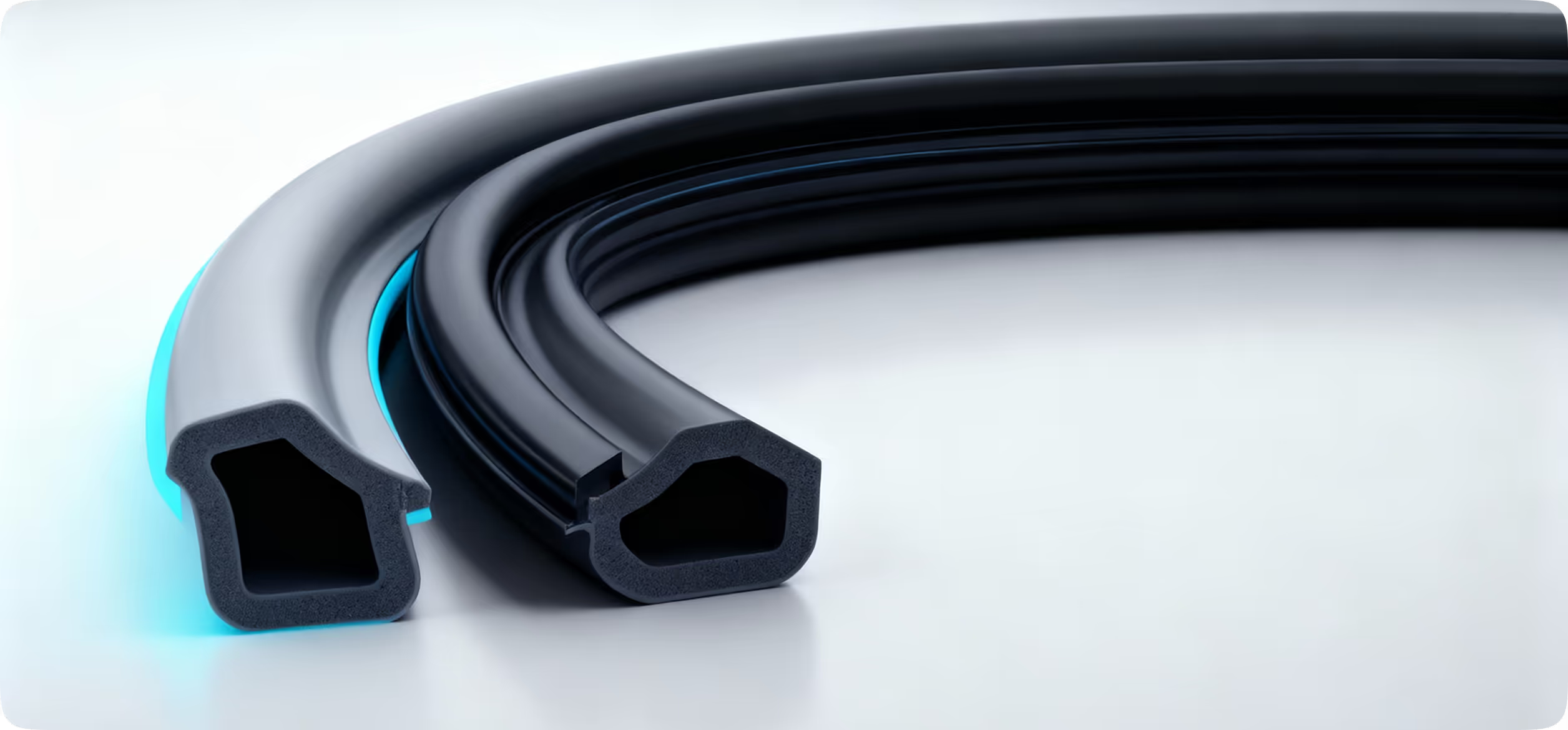
Western Sealtech inflatable seals expand under controlled pressure to create a uniform, leak-tight seal even on uneven or misaligned surfaces. Designed for critical applications, they seal only when required, reduce mechanical stress, and deliver consistent performance across high-cycle, high-precision environments.
Inflatable Seals
Fabric-reinforced inflatable seals delivering 100% gas-tight sealing across irregular and misaligned surfaces
.avif)
.avif)
Inflatable Seals
- Seal Profiles & Dimensions
- Inflation Pressure Data
- Custom Seal Configurations
.avif)
7.6 MB
Inflatable seals that conform. seal. perform.

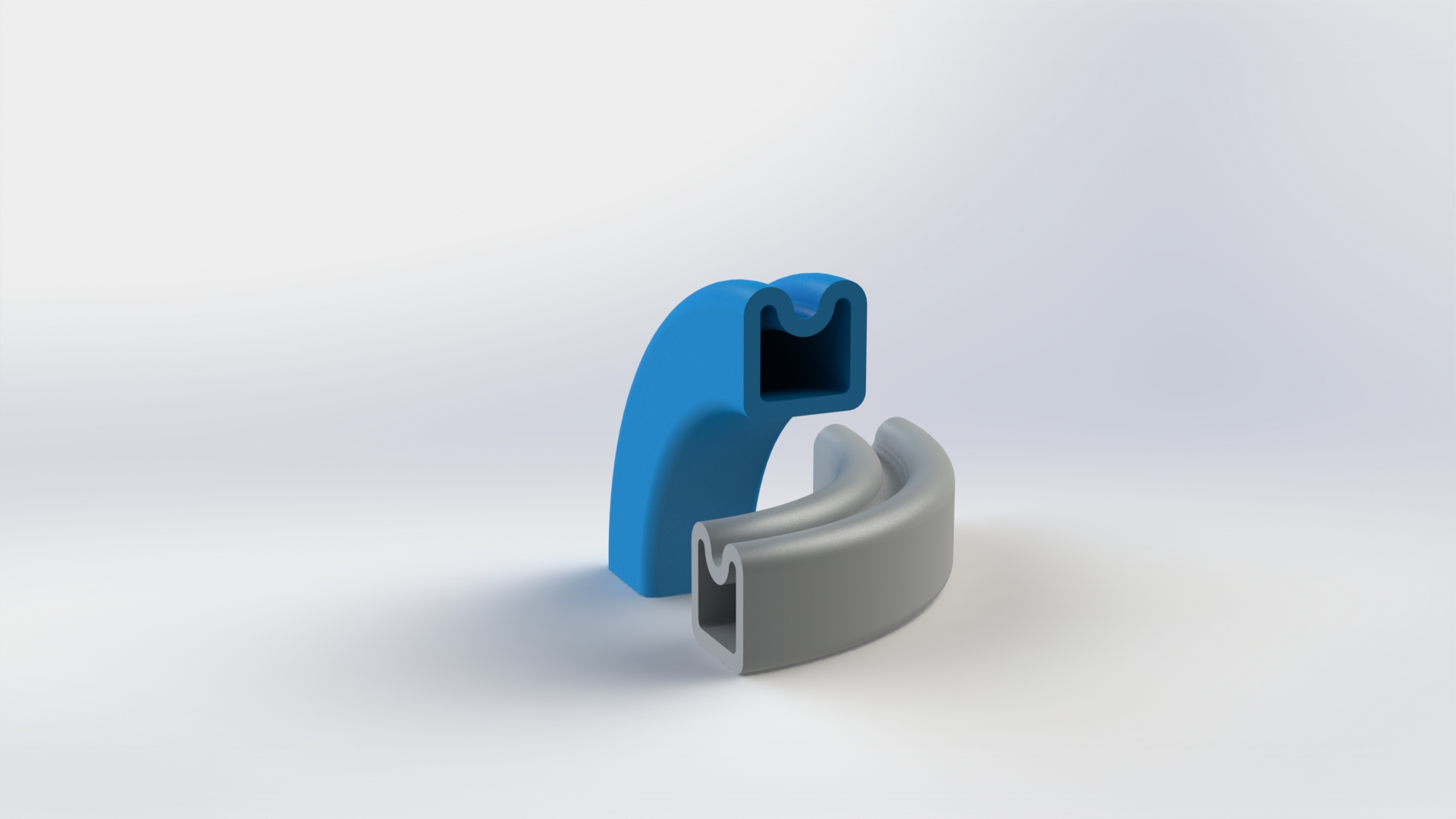
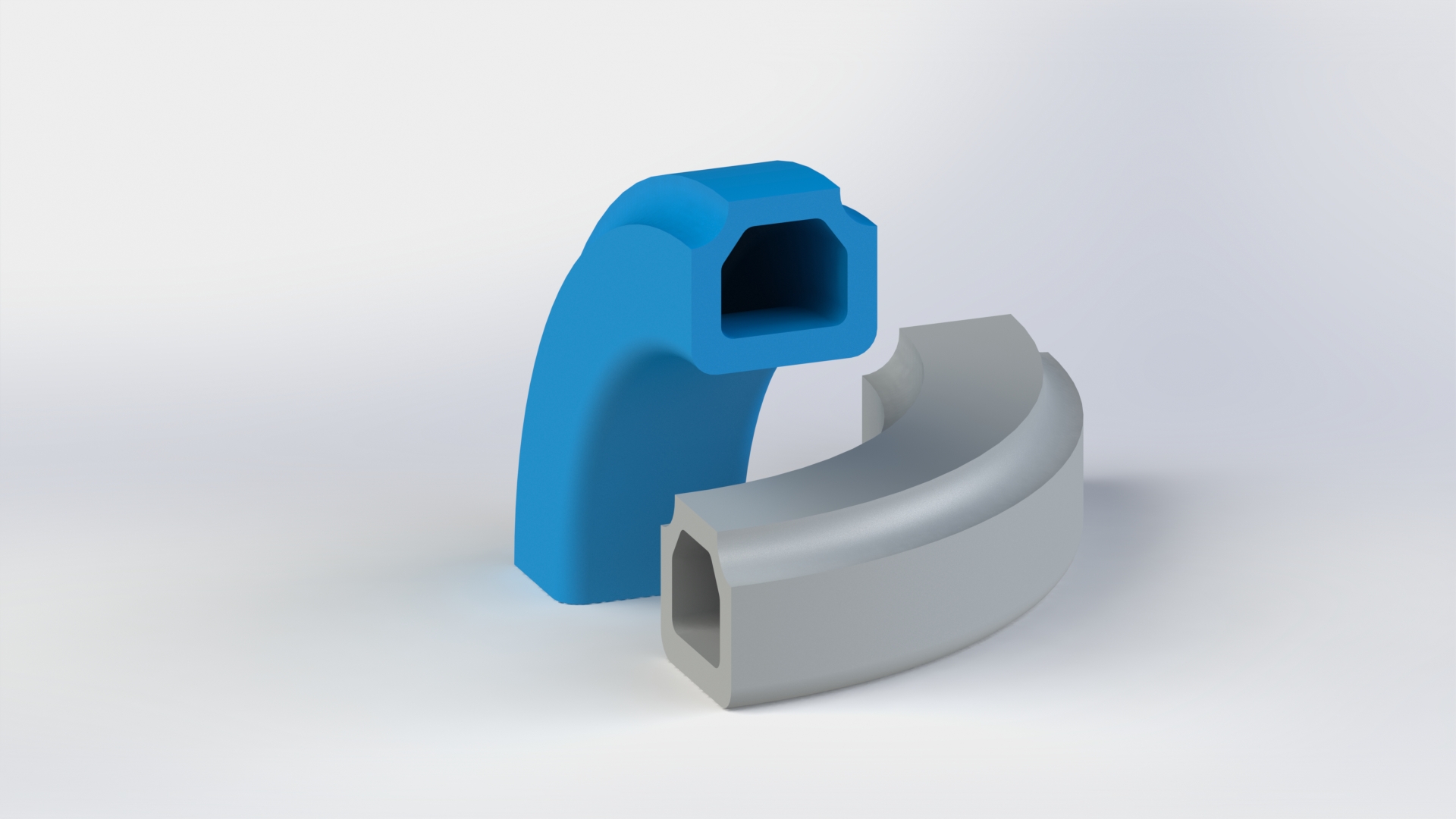
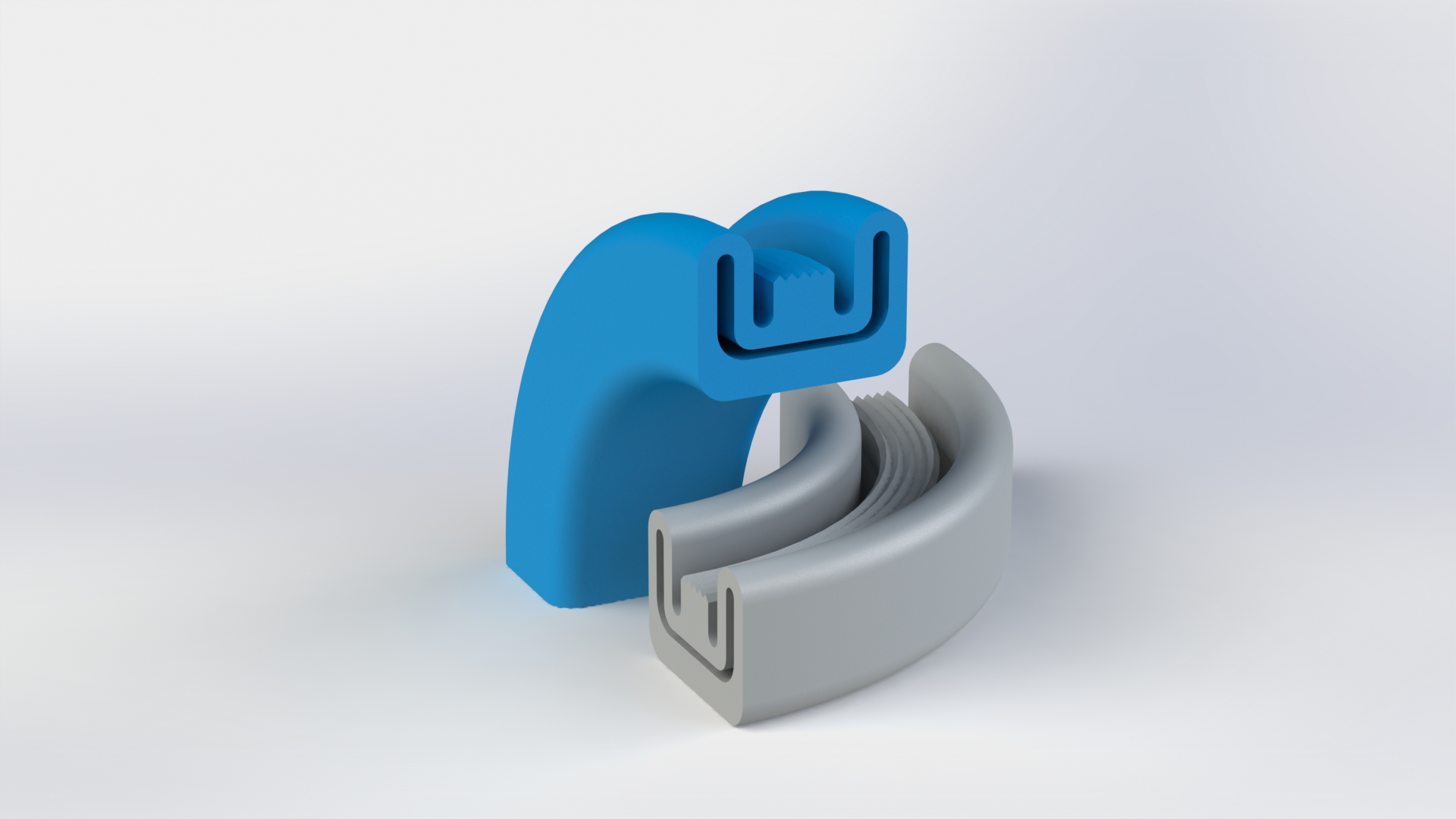
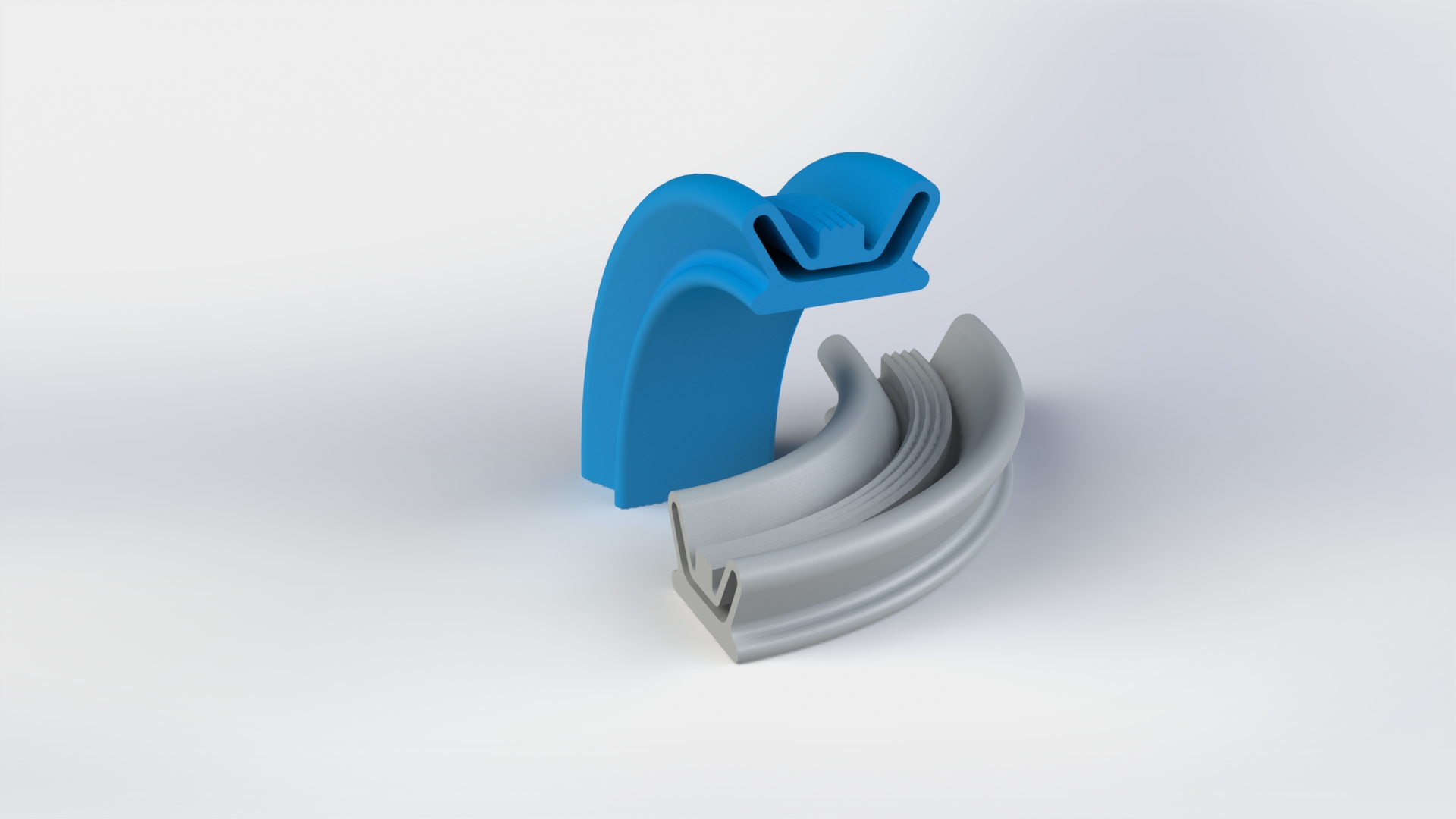
Inflatable Seal Classification
Inflatable seals are selected based on pressure, gap variation, environment, and duty cycle.
.avif)
Non-Reinforced Inflatable Seals
Extruded or moulded elastomer seals suitable for moderate pressures and standard industrial applications where mechanical abuse is limited.
Fabric-Reinforced Inflatable Seals
Fully moulded seals reinforced with Nylon, Dacron, Nomex, or Kevlar fabrics. Designed to prevent burst failure and dimensional instability in high-pressure, high-temperature, or rugged environments such as furnaces, vacuum chambers, offshore systems, and nuclear facilities.
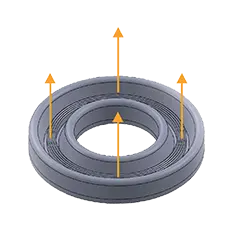
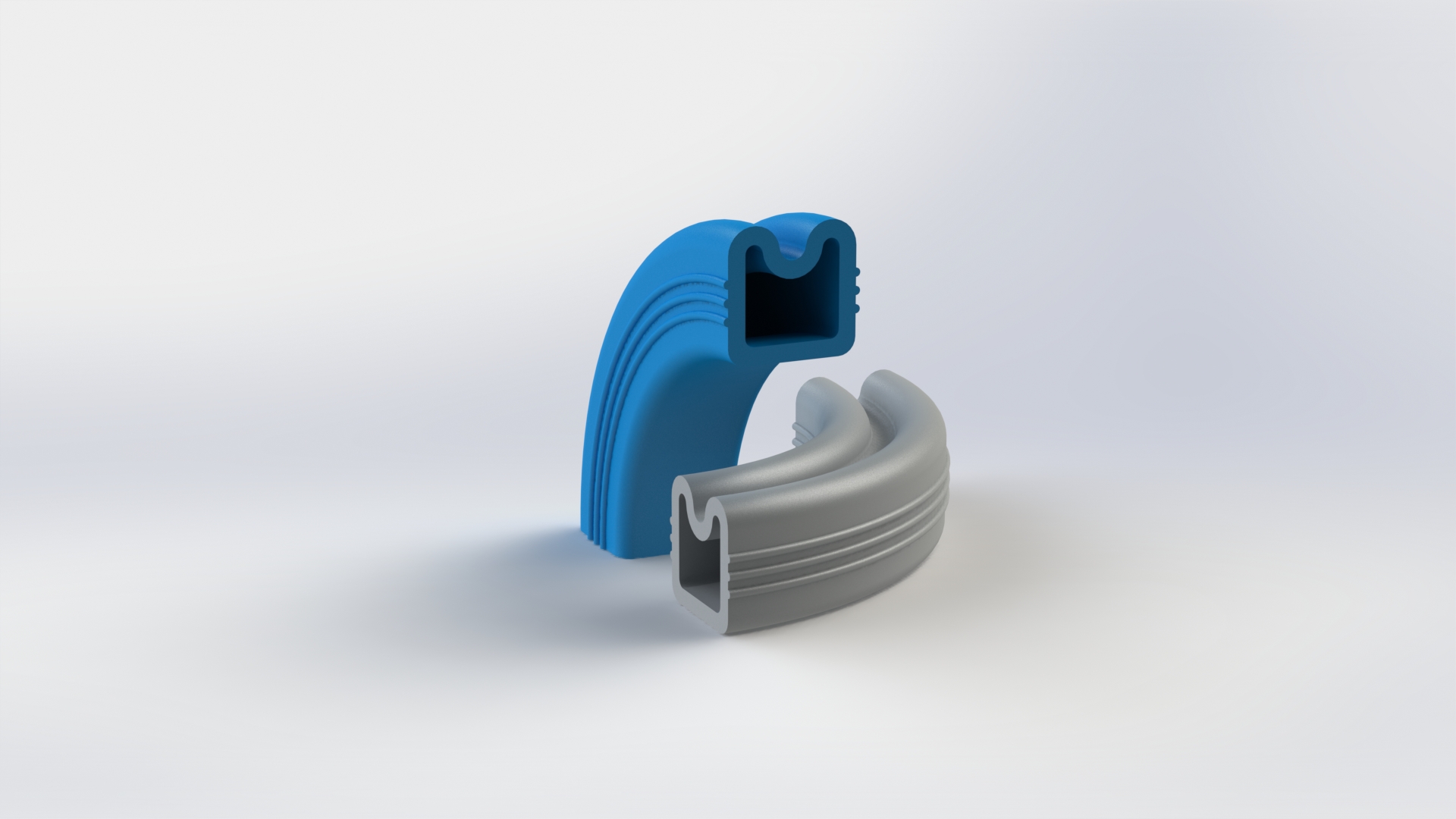
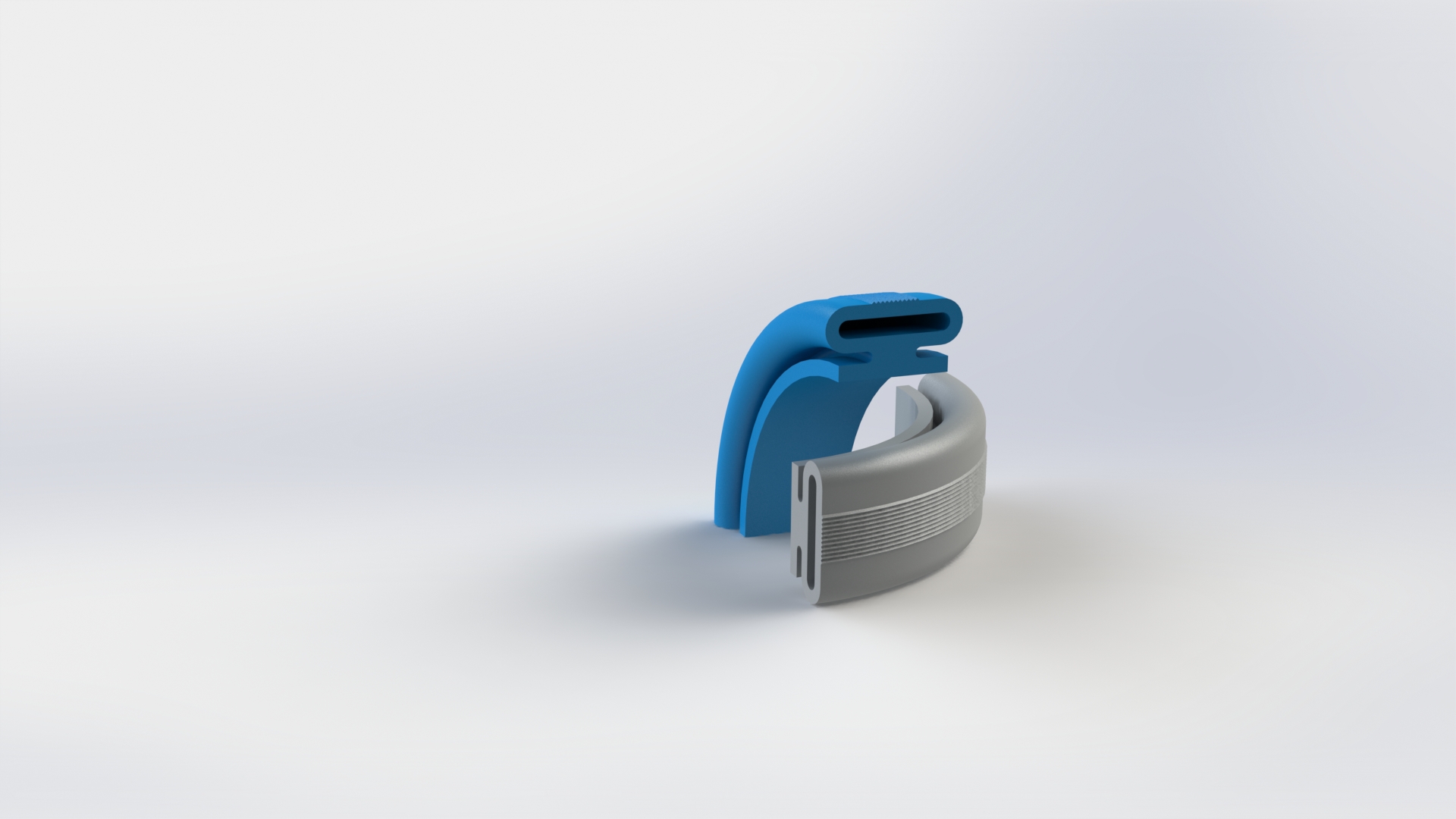
Axial Expansion
Seals gaps between two parallel faces

Radial Inward Expansion
Seals or grips internal components
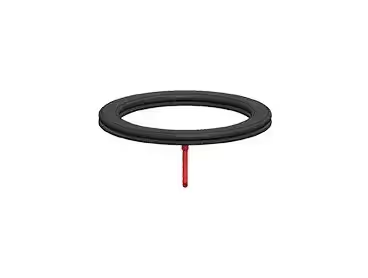
Circular / Oval
Full-perimeter sealing for doors, hatches, and cylindrical housings

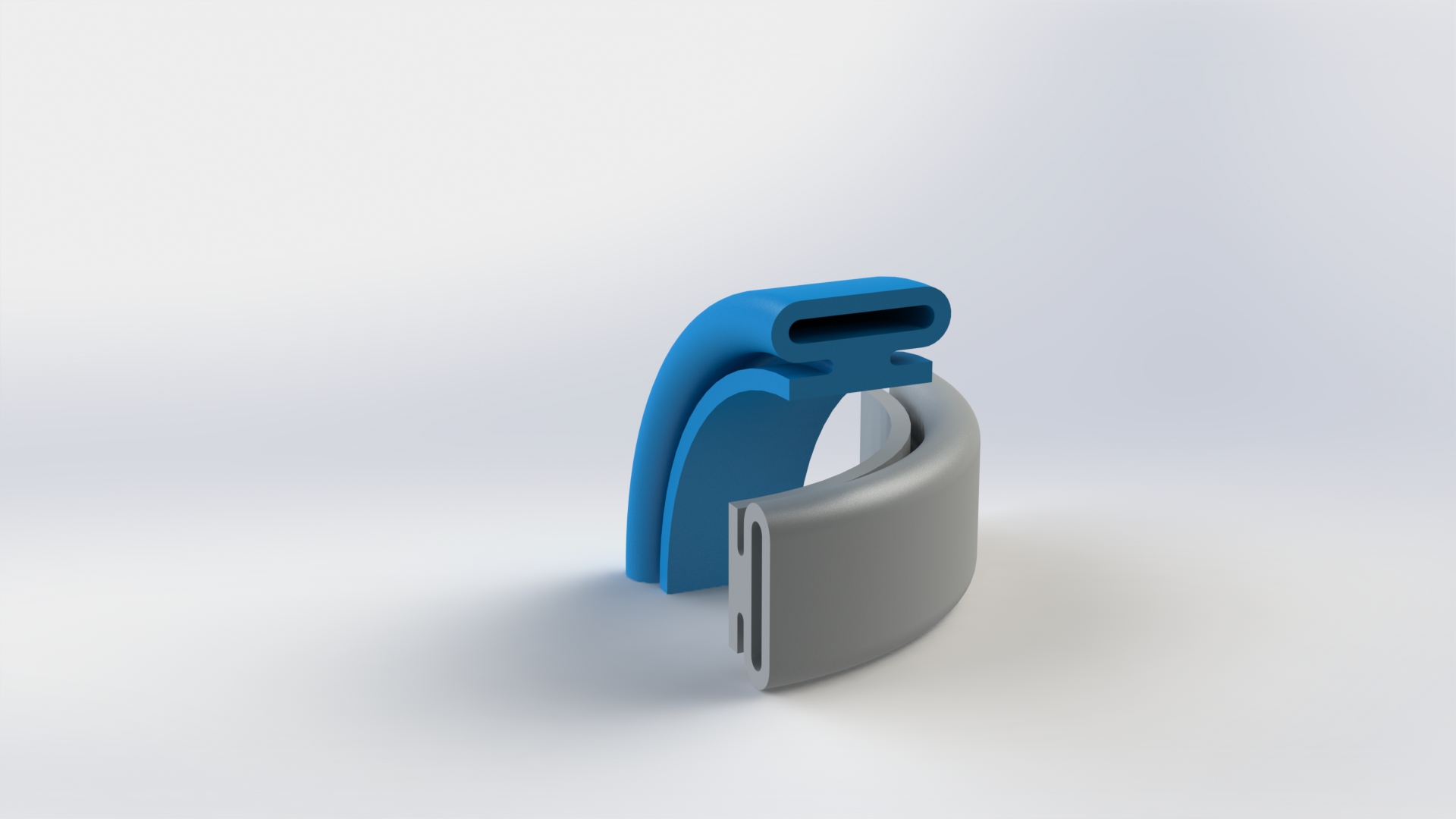
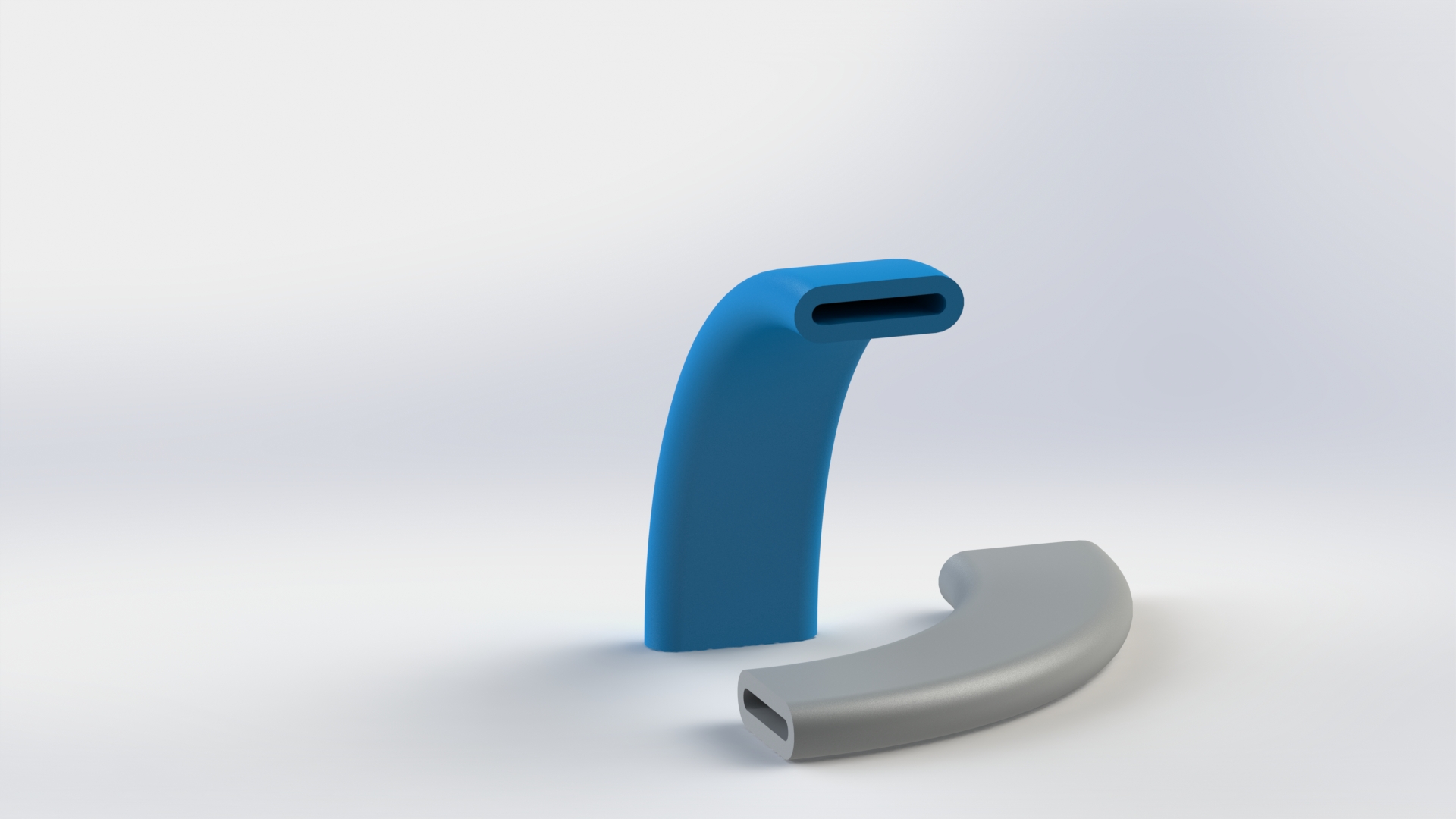
U-Shaped Frames
Partial-perimeter sealing with molded corners
Technical Capabilities
Western Sealtech manufactures high-performance inflatable seals engineered for dynamic sealing in Railways, Autoclaves, Cleanrooms, Industrial Equipment, and Aerospace applications.
Operating Performance
.png)
Pressure Range
0.5 to 6 bar
(higher on request)
≥ 3x burst safety factor
Temperature Range (Material Dependent)
-60°C to +200°C
Maximum Expansion Ratio
Up to 100% of profile height
(profile dependent)
Materials & Reinforcement

Elastomers Available
EPDM
Silicone (VMQ)
On Requests
NBR
Neoprene
Custom engineered compounds
Compliance Options
FDA-grade
REACH
RoHS
Fire-retardant (Railway applications
Radiation proof
Kevlar®
Nylon
Polyester
Nomex®
Kevlar®
Multi-layer reinforcement ensures controlled expansion and long cycle life.
Testing & Quality

- 100% pressure leak testing
- Tight dimensional tolerances
- Full material traceability 100 % cycle testing
- Burst pressure validation (on request) (on request)
Life cycle validation (on request)
Engineering Support

- In-house CAD design
- Rapid prototyping (2–3 weeks)
- Custom mold development
- Small to large production runs
Groove and system design
Operating Performance
Pressure Range
0.5 to 6 bar
(higher on request)
≥ 3x burst safety factor
Temperature Range (Material Dependent)
-60°C to +200°C
Maximum Expansion Ratio
Up to 100% of profile height
(profile dependent)
Materials & Reinforcement
Elastomers Available
EPDM
Silicone (VMQ)
On Requests
NBR
Neoprene
Custom engineered compounds
Compliance Options
FDA-grade
REACH
RoHS
Fire-retardant (Railway applications
Radiation proof
Kevlar®
Nylon
Polyester
Nomex®
Kevlar®
Multi-layer reinforcement ensures controlled expansion and long cycle life.
Testing & Quality
- 100% pressure leak testing
- Tight dimensional tolerances
- Full material traceability 100 % cycle testing
- Burst pressure validation (on request) (on request)
Life cycle validation (on request)
Engineering Support
- In-house CAD design
- Rapid prototyping (2–3 weeks)
- Custom mold development
- Small to large production runs
Groove and system design
Key Benefits

Seals uneven and irregular surfaces
Compensates for wide gap tolerances that fixed gaskets cannot seal reliably.

Eliminates compression-set failures
Seals inflate only when required, avoiding permanent deformation common in static seals.
.avif)
Low actuation force, high sealing integrity
Reduces door loads, clamp forces, and mechanical stress while maintaining 100% sealing.
Our Core Industries
Rail and Mass Transit
Semiconductor
Powder & Bulk Handling
Actuator Valve
Pharmaceutical
.avif)
Rail & Mass Transit
Fire-safe profiles for doors, windows, HVAC
Explore Industry
.avif)
Semiconductor
Heat-resistant components designed for high-pressure
Explore Industry
.avif)
Powder & Bulk Handling
Leak-proof inflatable seals for dust-tight material flow
Explore Industry
.avif)
Actuator Valve
Heat-resistant components designed for high-pressure
Explore Industry
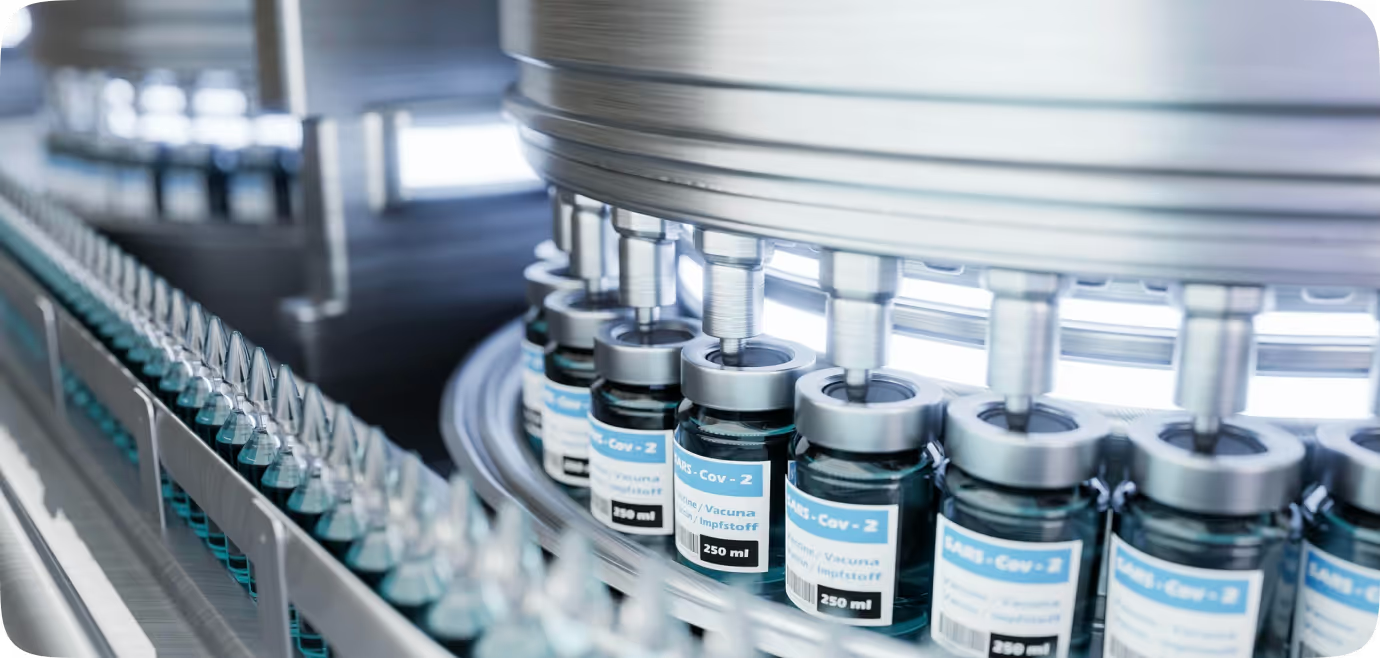
Pharmaceutical
Sterile inflatable seals & hygienic tubing solutions.
Explore Industry
Industries We Serve
.avif)
Rail & Mass Transit
Fire-safe profiles for doors, windows, HVAC
Semiconductor
Heat-resistant components designed for high-pressure
Explore Industry
Powder & Bulk Handling
Leak-proof inflatable seals for dust-tight material flow
Explore Industry
Pumps & Valves
Heat-resistant components designed for high-pressure
Pharmaceutical
Sterile inflatable seals & hygienic tubing solutions.
Industries We Serve
Pharmaceutical
Aerospace
Rail & Mass Transit
Powder & Bulk Handling
Industrial Furnaces & Autoclaves
Vacuum Impregnation
.avif)
Pharmaceutical & Lab Equipment
When doors, isolators, or chambers must close perfectly every time. Inflatable seals are used in cleanrooms, RABS, and lab enclosures to maintain containment during frequent access without crushing the seal or compromising validation.
Explore industry
.avif)
Aerospace & Aviation
Large doors, test chambers, and access panels rarely stay perfectly aligned. Inflatable seals handle vibration, pressure variation, and structural movement making them ideal for hangars, pressure testing rooms, and aircraft access systems.
Explore industry
.avif)
Rail & Mass Transit
Powder leakage doesn’t come from big gaps it comes from uneven ones. Inflatable seals adapt to worn flanges and distorted doors on chutes, valves, and docking stations, reducing dust escape and material loss.
Explore industry
.avif)
Powder & Bulk Material Handling
Powder leakage doesn’t come from big gaps it comes from uneven ones. Inflatable seals adapt to worn flanges and distorted doors on chutes, valves, and docking stations, reducing dust escape and material loss.
Explore industry
.avif)
Autoclaves, Ovens & Furnaces
Heat warps metal. Fixed gaskets don’t forgive that. Inflatable seals are used on hot doors and access panels to maintain uniform contact as temperatures rise and fall, improving efficiency and repeatability.
Explore industry
.avif)
Vacuum Impregnation Systems
Vacuum performance depends on consistency, not force. Inflatable seals are used in chambers and pressure vessels to maintain vacuum integrity across distorted flanges during repeated vacuum–pressure cycles.
Explore industry
Industries We Serve
Pharmaceutical & Lab Equipment
When doors, isolators, or chambers must close perfectly every time. Inflatable seals are used in cleanrooms, RABS, and lab enclosures to maintain containment during frequent access without crushing the seal or compromising validation.
Explore industry
Aerospace & Aviation
Large doors, test chambers, and access panels rarely stay perfectly aligned. Inflatable seals handle vibration, pressure variation, and structural movement making them ideal for hangars, pressure testing rooms, and aircraft access systems.
Explore industry
Rail & Mass Transit
Powder leakage doesn’t come from big gaps it comes from uneven ones. Inflatable seals adapt to worn flanges and distorted doors on chutes, valves, and docking stations, reducing dust escape and material loss.
Explore industry
Powder & Bulk Material Handling
Powder leakage doesn’t come from big gaps it comes from uneven ones. Inflatable seals adapt to worn flanges and distorted doors on chutes, valves, and docking stations, reducing dust escape and material loss.
Explore industry
Autoclaves, Ovens & Furnaces
Heat warps metal. Fixed gaskets don’t forgive that. Inflatable seals are used on hot doors and access panels to maintain uniform contact as temperatures rise and fall, improving efficiency and repeatability.
Explore industry
Vacuum Impregnation Systems
Vacuum performance depends on consistency, not force. Inflatable seals are used in chambers and pressure vessels to maintain vacuum integrity across distorted flanges during repeated vacuum–pressure cycles.
Explore industry
FAQs
Explore our FAQs for quick answers to common questions. For deeper insights, check out:
How do I know an inflatable seal will not burst or over-expand in my application?

Inflatable seals are designed with defined inflation pressures and wall thickness based on groove geometry. We engineer seals with controlled expansion limits, optional fabric reinforcement, and validated pressure ranges to prevent over-inflation failures even under repeated cycling.
What groove design is required for reliable inflatable seal performance?
Groove depth, width, corner radius, and venting are critical. Incorrect grooves cause uneven expansion, premature wear, or leakage. We review customer drawings and recommend groove geometry that ensures uniform inflation, controlled compression, and long seal life.
How many inflation–deflation cycles can the seal realistically handle?
Cycle life depends on material, reinforcement, inflation pressure, and operating environment. Our inflatable seals are designed for high-cycle applications and are validated for hundreds of thousands to millions of cycles in automation, doors, and vacuum systems when operated within design limits.
Will the seal compensate for uneven, warped, or misaligned mating surfaces?
Yes. One of the main reasons OEMs use inflatable seals is their ability to conform to surface irregularities. Inflatable seals expand uniformly and can seal variable gaps that conventional gaskets cannot handle reliably.
What happens if the air supply fails during operation?
Inflatable seals can be designed as normally-deflated or normally-inflated depending on safety requirements. For critical systems, we recommend fail-safe configurations, pressure monitoring, and controlled deflation logic to avoid operational or safety risks.
How do I select the correct material for temperature, media, and environment?
Material selection is application-specific. EPDM is used for steam, weather, and fire-safe rail applications; Silicone for temperature extremes and hygiene; FKM for oils, fuels, and chemicals. We assist in selecting materials based on temperature range, chemical exposure, fire norms, and hygiene requirements.
How does an inflatable seal compare to a mechanical clamping or fixed gasket solution?
Inflatable seals reduce mechanical wear, eliminate over-compression, and allow sealing only when required. This improves equipment life, reduces door or clamp forces, and minimizes maintenance compared to rigid gaskets or mechanical clamping systems.
Download our Brochures

Inflatable Seals
12.3 MB
Inflatable Seals
12.3 MB
Inflatable Seals
12.3 MB
Inflatable Seals
12.3 MB
Inflatable Seals
12.3 MB
Inflatable Seals
12.3 MB
Inflatable Seals
12.3 MB
Inflatable Seals
12.3 MB
Inflatable Seals
12.3 MB
Inflatable Seals
12.3 MB


.avif)